
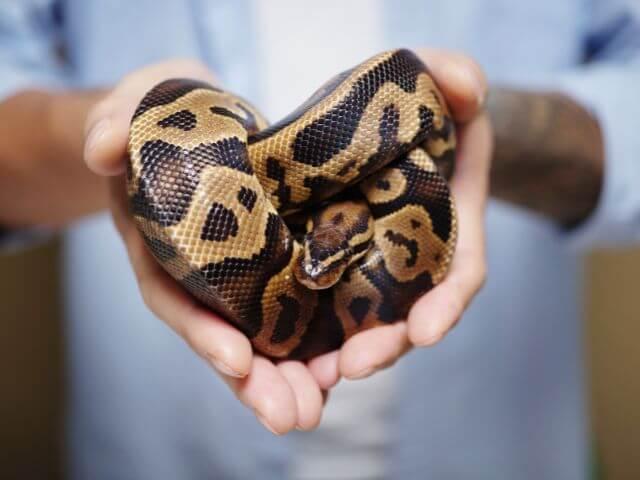
Reptiles can be fascinating and unique pets for the right individual or family. However, caring for them requires specialized knowledge and skill. A reptile's anatomy, nutrition, and daily requirements differ significantly from those of our more common pets, such as dogs and cats. Reptiles need a veterinary team that understands proper husbandry, nutrition, and medical care. At Bridge Veterinary Hospital, we are here for reptile owners with dedicated services designed to keep these special pets healthy throughout every stage of life.
From bearded dragons and chameleons to snakes, tortoises, and turtles, our team provides the guidance and medical attention needed to help you give your reptile a safe, healthy, and well-supported life.
Common Reptile Species Seen in Veterinary Practice
- Bearded dragons
- Leopard geckos and other gecko species
- Chameleons
- Ball pythons and other snake species
- Turtles and tortoises
- Skinks and iguanas
This list is not exhaustive! If you have questions about your reptile’s species or care needs, please contact our team at (567) 361-3407.
Why Reptile Veterinary Care Is Important
Reptiles have a remarkable ability to hide their illnesses, and many health issues develop slowly or go unnoticed until they become serious. By keeping up with regular check-ups, you're taking a smart step to support their health and boost their quality of life.
Did you know:
Most reptile illnesses are directly related to improper temperature, humidity, diet, or lighting — all areas we evaluate during each visit.
What to Expect During a Reptile Exam
Your reptile’s wellness visit includes a full physical exam as well as an in-depth discussion about their environment, nutrition, and more. During your appointment, we typically review:
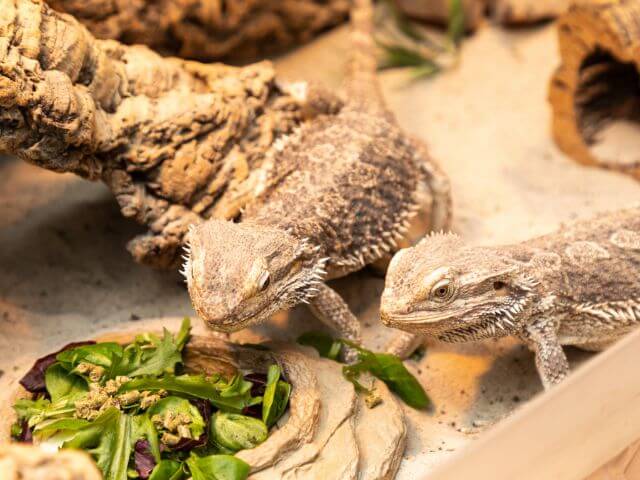
- Nutrition: Whether your reptile is herbivorous, insectivorous, or omnivorous, a balanced, species-appropriate diet is essential. We may discuss prey size, feeding schedules, supplementation (such as calcium and vitamin D3), and hydration methods.
- Husbandry: Proper enclosure setup is critical for reptile health. This includes temperature gradients, UVB lighting, humidity control, substrate safety, and enrichment or hiding options.
- Hygiene: Clean habitats reduce the risk of shell rot, skin infections, parasitism, and respiratory disease. We can provide guidance on cleaning schedules and safe handling.
Caring for reptiles can feel overwhelming, especially with the unique needs of each species. We recommend writing down any questions you have before your appointment and take pictures of your reptile's environment so we can address everything thoroughly and review your current husbandry practices together. Our team at Bridge Veterinary Hospital is here to support you every step of the way and help you feel prepared, informed, and confident in your reptile’s care.
Common Health Issues in Reptiles
Just like any pet, reptiles can develop a wide range of medical conditions. Some of the most common we see in the clinic are:
- Metabolic bone disease (MBD)
- Respiratory infections
- Parasites (internal or external)
- Skin infections or abnormal shedding
- Digestive problems, including impaction
- Injuries or shell abnormalities
Because many of these issues are linked to husbandry, regular exams give us opportunities to make adjustments before illness develops.
Diagnostic & Treatment Options
At Bridge Veterinary Hospital, we offer veterinary services for reptiles, including:
- Wellness exams and preventive care
- Sick visits and general illness treatment
- Nail, beak, and scale trimming (when needed)
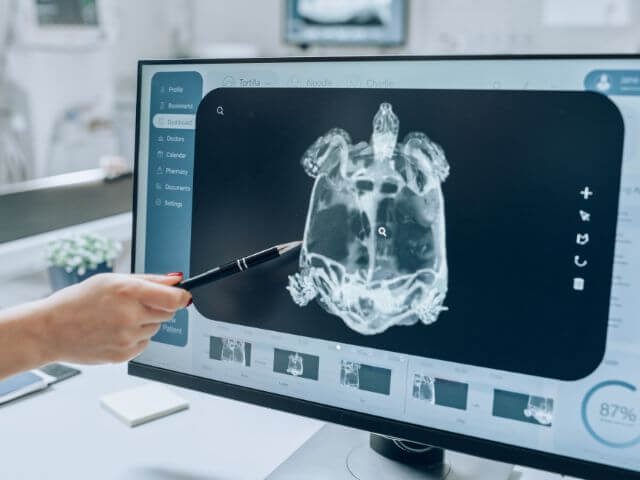
- X-rays and fine needle aspirates (FNAs)
- In-house lab testing, with access to specialized exotic animal laboratories
If advanced diagnostics or specialty procedures are needed, we may recommend referral to a veterinarian who focuses exclusively on reptile and exotic medicine.
When to Seek Veterinary Care for Your Reptile
Contact your veterinarian if you notice any of the following signs:
- Decreased appetite or refusal to eat
- Lethargy or unusual hiding
- Abnormal shedding or retained shed
- Wheezing, clicking, or open-mouth breathing
- Changes in stool quality or frequency
- Swelling, wounds, or shell changes
Early intervention is key, as reptiles often worsen before showing outward symptoms.
Schedule A Reptile Exam With Bridge Veterinary Hospital
Our team understands that reptile care can feel overwhelming, especially for newer owners. We focus on education, practical husbandry guidance, and accessible medical care to help you feel confident in your pet’s daily needs. Whether you have questions about lighting, feeding, substrate, or behavior changes, we’re here to support both you and your reptile.
If you have questions about reptile health or would like to schedule an appointment, please contact us at (567) 361-3407. Bridge Veterinary Hospital proudly supports reptile owners in Point Pleasant, NJ and the surrounding communities.
Don't forget to follow us on social media: Facebook, Instagram.