
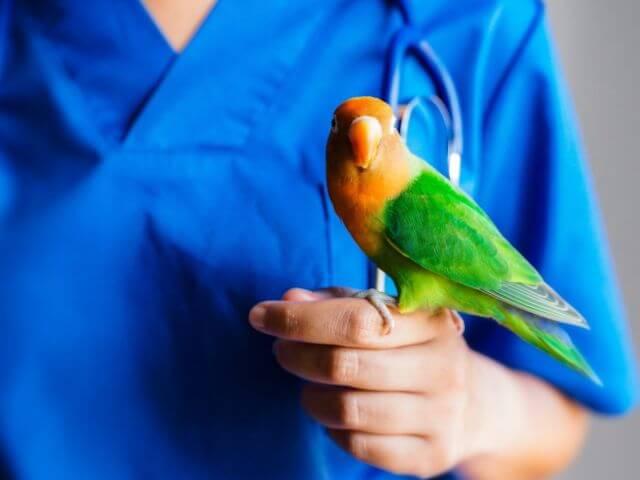
Pet birds are intelligent, sensitive, and highly social animals that require specialized veterinary care and thoughtful daily management. At Bridge Veterinary Hospital, we provide avian veterinary services focused on preventive care, early illness detection, and practical guidance for owners. Whether you share your home with parrots (such as parakeets, cockatiels, conures, or African greys), small companion birds like finches and canaries, or backyard pet chickens, our team is here to support both you and your feathered friend.
Why Bird Veterinary Care Matters
Birds are naturally inclined to hide signs of illness, which means problems are often advanced by the time obvious symptoms appear. Regular veterinary check-ups help us track subtle changes in a bird's weight, droppings, feather condition, and behavior that could indicate the early stages of disease. Wellness visits also allow us to evaluate your bird’s environment, diet, and enrichment, so we can fully understand their daily routines and lifestyle.
At Bridge Veterinary Hospital, we provide a variety of avian veterinary services, including:
- Wellness and annual exams
- Sick visits and illness care
- Nail, wing, and beak trims
- Diagnostic testing and imaging
- Fecal testing and parasite evaluation
- Behavioral and husbandry consultations
During your bird’s appointment, we’ll start with a complete physical exam and check their weight, since even small changes can tell us a lot about their health. If needed, we can also take care of beak, nail, or wing trimming. We’ll spend time reviewing your bird’s diet, enrichment, and habitat setup, and we’re always happy to offer practical tips on handling, socialization, and behavior. We encourage you to bring a list of questions or concerns you may have. This will help us address your bird’s unique needs together and ensure you leave feeling supported and confident in their daily care.
When more advanced diagnostics or specialized procedures are needed, we may recommend referral to a veterinarian with a focused avian or exotic practice. Our goal is always to work with you to determine the best plan for your bird’s health, comfort, and quality of life.
Common Pet Birds We Care For
While each bird has unique needs, they all benefit from appropriate housing, balanced nutrition, mental stimulation, and routine veterinary exams. During your visit, we will tailor our recommendations to your bird’s species, age, and lifestyle, taking into account both their physical and behavioral health.
In our practice, we commonly see a variety of birds, including:
- Parrots: Such as African greys, Amazons, and Quaker parrots; highly intelligent and social birds that need regular interaction and enrichment.
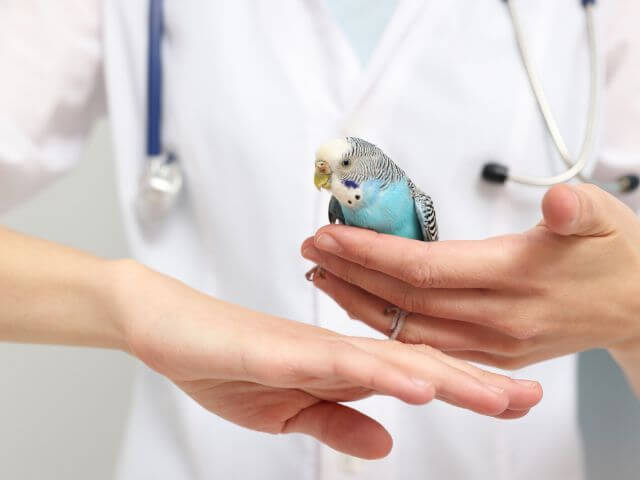
- Budgies (Parakeets): Playful, vocal small parrots that do well with a balanced diet and daily mental stimulation.
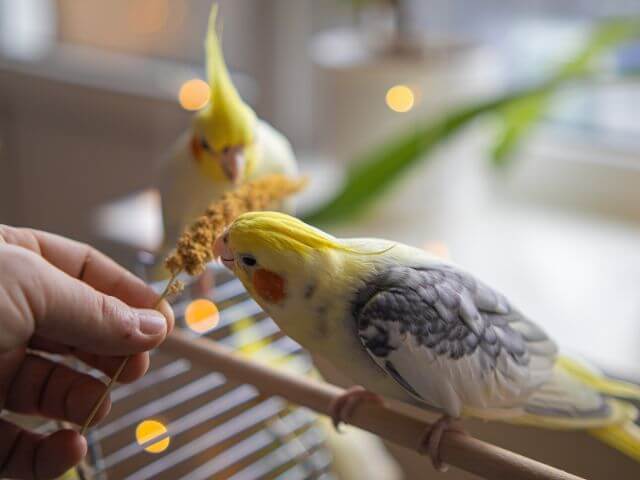
- Cockatiels: Gentle, expressive birds that enjoy social time, out-of-cage activity, and consistent routines.
- Finches and Canaries: Smaller birds that thrive in calm environments with adequate flight space and appropriate flock or pair housing.
- Pet Flock Chickens: Kept as companion animals, they benefit from clean coops, balanced nutrition, and flock-based social interaction.
Understanding Your Bird’s Daily Care Needs
Birds rely on a combination of proper housing, balanced nutrition, and healthy social interaction to thrive. A safe environment includes a clean, appropriately sized enclosure with space for movement and wing stretching, protection from drafts and extreme temperatures, and access to safe perches and enrichment. Backyard pet chickens similarly benefit from a well-ventilated coop, dry bedding, and a secure outdoor area. Nutrition also plays a central role in overall health. Most companion birds do well on a high-quality pellet-based diet supported by fresh vegetables, while some species may need measured seed or species-specific mixes. Pet chickens require a balanced commercial feed appropriate for their life stage. During your appointment, we’ll review your bird’s current setup and diet to ensure their daily care meets their individual needs.
Because birds are highly social animals, daily interaction and enrichment are just as important as diet and housing. Parrots, in particular, need mental stimulation, foraging opportunities, and regular engagement with their human families to prevent stress and unwanted behaviors. Smaller birds like finches and canaries also benefit from calm routines and appropriate flock or pair housing. Understanding these needs helps support your bird’s overall wellbeing, and our team is here to guide you through creating a safe, healthy, and enriching environment at home.
Common Health Issues in Pet Birds
Many bird illnesses develop due to nutritional imbalances, stress, or improper housing. Some of the most common conditions include:
- Respiratory infections
- Feather plucking or stress behaviors
- Parasites
- Egg binding
- Nutritional deficiencies
- Overgrown beaks or nails
If you notice that your bird is eating less, spending more time at the bottom of the cage or coop, breathing with effort, or showing changes in feather quality or grooming habits, please contact us immediately to schedule an exam.
Schedule Avian Care With Our Team
If you have questions about bird health or would like to schedule an appointment, please contact us at (567) 361-3407. Bridge Veterinary Hospital is proud to support bird owners in Point Pleasant, NJ and the surrounding communities.
Don't forget to follow us on social media: Facebook, Instagram.